Kyoto without the crowds: what the city itself asks of you
The Kyoto City Tourism Association has published its own etiquette, its own congestion forecast and its own four guidelines. Reading them is the fastest route to a better week.
🤖 AI assisted: an AI model contributed to a draft of this story. Every claim links to the official source listed below; a Sage editor’s review is pending. AI inference is never presented as official fact.
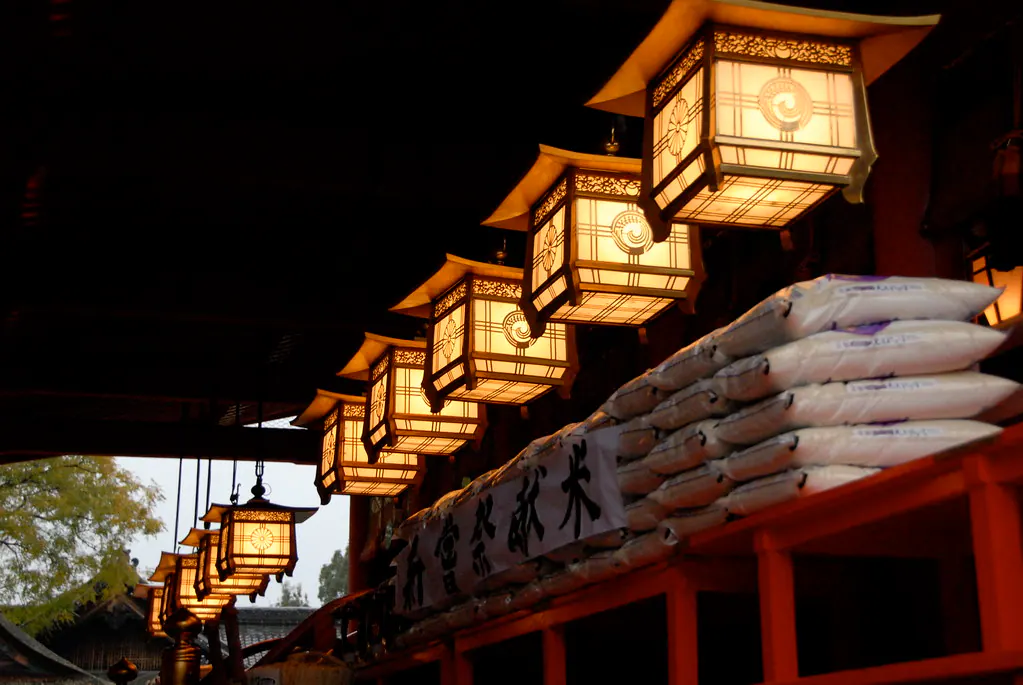
Kyoto is one of the few cities in the world whose official tourism guide devotes as much space to how to behave as to what to see. The Kyoto City Official Travel Guide, run by the Kyoto City Tourism Association, leads with a page titled Responsible Travel, another titled Sustainable Tourism, and a separate guidelines site whose first sentence to visitors is not a welcome but a request. The tone is courteous and unambiguous: "Kyoto's tourist attractions are often located near residential areas, so please be mindful that your actions can affect the lives of the citizens."
For a traveller who wants the city at its best, that guidance is not a constraint. It is a map of where the friction is — and therefore of where the calm is.
The etiquette the city spells out
The Responsible Travel page is specific. On the geiko and maiko of Gion: "Do not stop, touch, follow, or take unauthorized photos/videos of any geiko or maiko you see walking around." On cameras generally: "Photography is prohibited in many Gion areas, in parts of shrines and temples, and in some restaurants." On the fabric of the city: "These sites are easily damaged! Refrain from touching more than necessary, carry your backpack in front of you when in crowded or narrow places, and remove your shoes when asked."
On noise: "Walk and talk quietly when exploring residential areas or religious sites. Remind your traveling companions to use hushed voices too." On smoking: "Kyoto City ordinances have banned smoking outside of designated areas on all streets of the city." On litter: carry your own rubbish bag and use designated disposal points.
None of this is exotic. It is the etiquette of a city that has decided its residential lanes are not a stage set, and it repays a visitor who treats them accordingly — with a Gion that is still a neighbourhood rather than a queue.
The tools the city built
The same page points to two tools that most visitors never open. The Kyoto Travel Congestion Forecast "forecasts comfort levels around popular spots, gets real-time information from live cameras, and suggests attractive sightseeing spots that are relatively empty even during the daytime." Kyoto Smart Navi is the navigation service that carries crowding tips and etiquette guidance in the same interface. Between them they answer the question every concierge is asked — is Fushimi Inari busy right now? — with a camera rather than a guess.
The city also points visitors to luggage services that take suitcases out of the sightseeing day, and it promotes "special morning and evening programs" and "Hidden Gem" areas explicitly to move visitors away from the same six sites at the same three hours.
The four guidelines
The Sustainable Tourism page distils the association's position into four principles, published in full on the Kyoto Guidelines site. In its own words, visitors are asked to "contribute to the local culture and community while promoting harmony between residential life and tourism"; to "preserve the natural environment and scenic landscape"; to "engage in mutual cultural appreciation"; and to "cooperate with established rules for what to do in an emergency." The guidelines site groups them as Care for the Community, Protect the Environment and Kyoto's Beautiful Cityscape, Connect with People, and Be Prepared for the Unexpected, and adds the practical line most visitors need: check for "No Photography" signs before raising a camera.
Sources
- Kyoto City Official Travel Guide — Kyoto City Tourism Association (DMO KYOTO) ↗ — Kyoto City Tourism Association · official government · retrieved Sep 14, 2026, 12:00 AM
- Responsible Travel — Kyoto City Official Travel Guide ↗ — Kyoto City Tourism Association · official government · retrieved Sep 14, 2026, 12:00 AM
- Sustainable Tourism — Kyoto City Official Travel Guide ↗ — Kyoto City Tourism Association · official government · retrieved Sep 14, 2026, 12:00 AM
- Kyoto Guidelines for tourists — Kyoto Sustainable Tourism Guidelines website ↗ — Kyoto City Tourism Association · official government · retrieved Sep 14, 2026, 12:00 AM
Destinations
Related coverage
Destinations · Sep 14, 2026
Aspen in winter with children: four mountains, one town and a runway closure to know about
Sage EditorialAI Assisted4 sources · Aspen Skiing Company
Destinations · Sep 14, 2026
Carnival 2027: planning the Caribbean season from Junkanoo to Trinidad
Sage EditorialAI AssistedDeveloping